Is Alcohol Legal in the UAE?
Yes. Under Article 363 of Federal Decree-Law No. 31 of 2021 (UAE Crimes and Penalties Law), consuming, possessing, or trading alcohol is generally not punishable when it is done in places and situations allowed by law.
However, the rules can differ between emirates. Each emirate can set its own rules on the use, possession, sale, and trade of alcohol. If an emirate has stricter rules, those local rules apply.
Who Can Legally Consume Alcohol?
Alcohol is generally available to adults aged 21 and over, whether resident or visiting, provided it's obtained from a licensed source and consumed in an authorized place. Alcohol consumption is subject to the applicable federal and emirate-level rules. The legal position can also depend on where the alcohol is purchased, possessed, or consumed. The legal drinking age and alcohol regulations should be checked according to the applicable emirate-level rules before relying on a general UAE rule.
Where Can You Legally Drink?
Alcohol may only be consumed:
- In a private home or residence
- In licensed venues: hotels, restaurants, bars, and clubs holding a valid alcohol licence
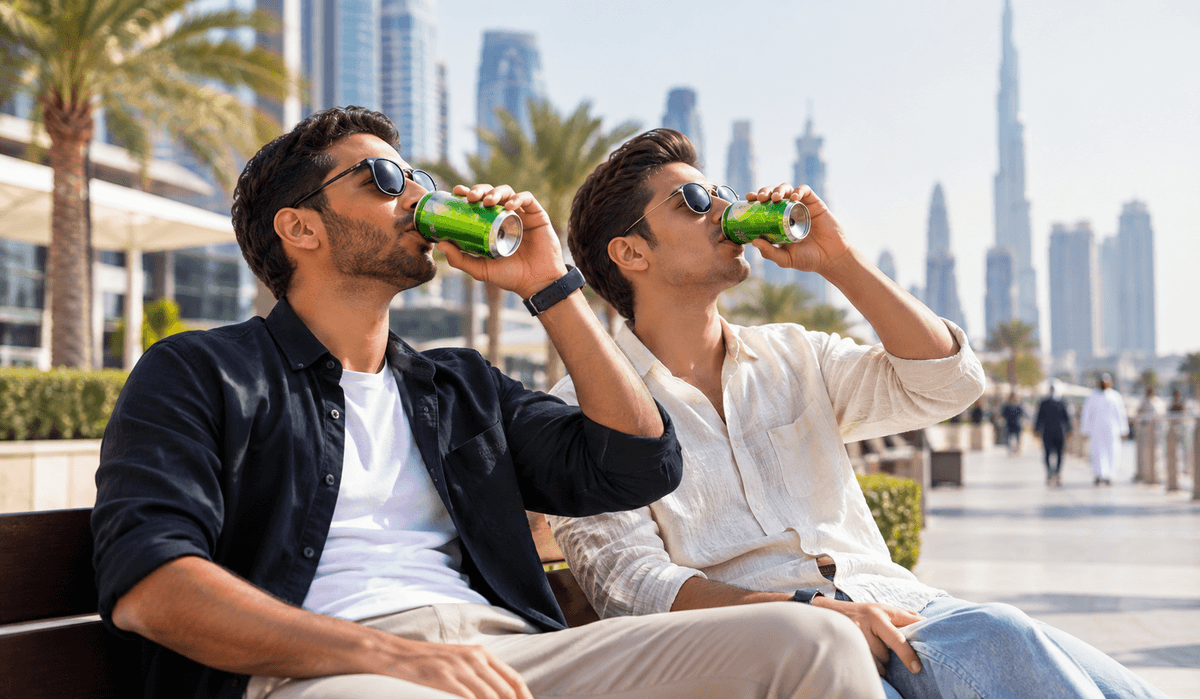
It may not be consumed in public places, including beaches, parks, streets, shopping areas, or vehicles. This applies even if the alcohol itself was purchased legally; Leaving a licensed venue while intoxicated can create legal problems if the person is found in public and causes a disturbance, nuisance, or disruption to public comfort.
Alcohol Rules by Emirate
The federal law sets the baseline, but each emirate applies its own layer of regulation on top:
- Dubai: Licensed venues are mostly hotels and hotel-attached bars and restaurants. Dubai still operates a personal alcohol licence system through the DXB Licence app, issued via one of two distributors (African & Eastern or MMI). It is not strictly required to drink, but it can still matter in practice: police and courts sometimes ask whether a person held one, and it can act as a mitigating factor in a case
- Abu Dhabi: More relaxed on paper; no personal licence is required to purchase or consume alcohol, and commercial licensing is available to a broad range of venues.
- Sharjah: The only fully "dry" emirate. No alcohol consumption, sale, possession, or licensing of any kind, including in international hotels.
- Ras Al Khaimah: Regulated under its own Law No. 4 of 2021. No personal licence required; commercial licensing covers hotels, restaurants, and retailers.
- Ajman, Fujairah, Umm Al Quwain: Generally permissive, no personal licence required, but commercial licensing is still mandatory for any venue serving alcohol.
Carrying alcohol across emirate borders, particularly into Sharjah, can itself create legal exposure, even if it was purchased legally elsewhere.
Common Alcohol-Related Offences and Their Penalties
- Unlicensed possession, sale, or manufacture - Possessing, manufacturing, importing, promoting, selling, or preparing a venue for alcohol consumption without a licence, or in violation of one, carries imprisonment and/or a fine of not less than AED 500,000 (Article 363/2).
- Drinking in an unauthorized place, or public intoxication - Drinking alcohol in a public place or somewhere not authorized, or being found drunk in public and causing a disturbance or nuisance, carries imprisonment of up to six months and/or a fine of not less than AED 100,000 (Article 363/3). This is a minimum fine, not a cap, a detail several online sources get backwards.
- Supplying alcohol to minors - Offering, selling, or supplying alcohol to anyone under 21, or buying it on their behalf, carries imprisonment and a fine of up to AED 100,000 (Article 363/4). A seller who reasonably verified the buyer's age using an official document has a defence.
- Drink driving - Drink driving is regulated separately under UAE traffic legislation and is treated as a serious offence. Penalties can include fines, imprisonment, licence suspension, vehicle-related measures and other consequences depending on the circumstances.
Do You Still Need an Alcohol Licence?
Not to drink legally; the 2020 to 2021 reforms removed that requirement in most emirates. But Dubai's personal licence system still exists and still carries practical weight, since it can influence how police, prosecutors, and judges treat a case, particularly one involving drink driving. Dubai continues to operate a personal alcohol licence system. The practical requirements and relevance of the licence should be checked against the current Dubai rules.
Alcohol Laws for Tourists
Tourists can drink legally within licensed hotels, bars, and restaurants without holding any licence themselves. The most common mistake is assuming hotel rules extend outside hotel grounds; leaving a licensed venue while visibly intoxicated is enough to trigger a public intoxication charge, even though the drinking itself was entirely legal.
Can You Be Arrested for Drinking Alcohol in the UAE?
Drinking alcohol in an authorized place is not, by itself, a criminal offence under Article 363 of the UAE Crimes and Penalties Law. However, drinking in a public or unauthorized place, being intoxicated in public and causing disturbance, or becoming involved in another offence while under the influence can lead to police action, detention and prosecution.
What Happens After an Alcohol-Related Arrest?
Police may detain the individual, carry out tests, and refer the matter for prosecution. Outcomes vary depending on the offence and circumstances, and can include fines, short-term detention, conditional release, or, for expatriates involved in more serious or repeat offences, deportation proceedings following any custodial sentence.
Why Get Legal Advice Early
Alcohol-related cases in the UAE can escalate quickly, even where the underlying conduct seems minor. A charge that starts as public intoxication can carry consequences well beyond the immediate fine, including impact on residency status and future visa applications. Early legal advice from a criminal lawyer can help clarify the charge you're actually facing, the realistic range of outcomes, and whether grounds exist to challenge it.
Frequently Asked Questions
What's the actual fine for public intoxication in the UAE?
Up to six months' imprisonment and/or a fine of not less than AED 100,000, under Article 363(3) of the Penal Code.
Can tourists be arrested for drinking in the UAE?
Yes, if they drink outside a licensed venue or become intoxicated in public, the same rules apply to residents and tourists alike.
Is the drinking age the same across the UAE?
No. It's 21 in most emirates, but Ras Al Khaimah lowered its drinking age to 18 in January 2026.
Can an alcohol charge lead to deportation?
For expatriates, yes, particularly for repeat offences, drink driving, or offences involving public disorder.