Table of Contents
- Summary
- What Is a Cheque Bounce Case?
- What Happens When a Cheque Bounces in the UAE?
- Is a Bounced Cheque a Criminal Case?
- What Is the Cheque Bounce Penalty in the UAE?
- Can a Bounced Cheque Affect Your Credit?
- How to Solve a Bounced Cheque Case in Dubai
- Can Bounced Cheques Get Your Account Closed?
- When Should You Contact a Cheque Bounce Lawyer?
Quick Overview
- Cheque bounce cases are still common in the UAE, especially in business, rental, and personal payments.
- A cheque bounces when the bank can’t honor it, usually due to insufficient funds, a closed account, or incorrect details.
- Not every bounced cheque is a criminal case. Under Federal Decree-Law No. 50 of 2022, most insufficient-funds cases are now handled through civil enforcement.
- Criminal penalties apply mainly to fraud, forgery, or intentional misuse.
- 4 bounced cheques within a year can trigger a mandatory account closure, and further issues can turn criminal.
This article will cover the UAE laws on bounced cheques, the possible penalties, the legal process, and what to do next, whether you issued the cheque or are trying to recover the money.
What Is a Cheque Bounce Case?
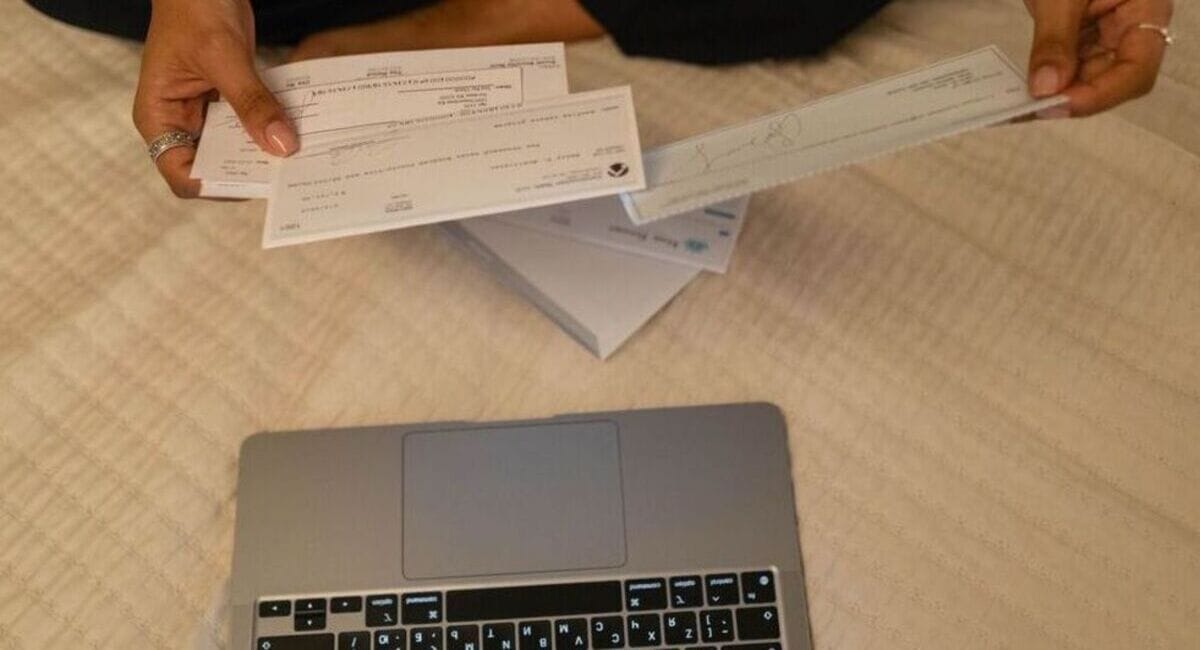
A cheque bounce case occurs when a cheque is presented to the bank but cannot be paid. When this happens, the bank returns the cheque unpaid and issues a cheque return memo, explaining the reason for the rejection.
Common Reasons for a Cheque Bounce
- Insufficient funds in the account.
- The bank account has been closed.
- Incorrect or mismatched signature.
- Stop-payment instructions given to the bank without a valid legal reason.
- Incorrect cheque details or alterations.
- The cheque has expired or is damaged.
What Happens When a Cheque Bounces in the UAE?
After a cheque is returned unpaid, the bank issues a cheque return memo stating the reason for the rejection. This document is important because it forms part of the legal process if the payment dispute is not resolved.
If the amount remains unpaid, the beneficiary can use the returned cheque and bank documents to begin legal enforcement. Under the UAE Commercial Transactions Law, many claims can be filed directly before the Execution Court without starting a separate civil lawsuit.
Depending on the circumstances, the court may order legal measures to claim the unpaid amount. This method enables beneficiaries to get their money faster and reduces the need for long legal hearings.
Is a Bounced Cheque a Criminal Case?
Not always.
Following changes to UAE cheque laws, a bounced cheque caused only by insufficient funds does not automatically become a criminal offence. However, criminal proceedings may still apply where there is evidence of intentional wrongdoing, such as:
- Deliberately issuing a cheque without intending to pay.
- Forging or altering cheque details.
- Ordering the bank to stop payment without a valid legal reason.
- Intentionally using an incorrect signature to prevent payment.
Each case depends on its own facts and the applicable UAE laws. If your cheque bounce matter becomes a criminal case or you are under investigation, contact our criminal lawyer in Dubai for legal guidance as early as possible.
What Is the Cheque Bounce Penalty in the UAE?
If the Cheque Bounced, Due to Insufficient Funds
- It is generally not considered a criminal offence.
- Under UAE Commercial Law, a bounced cheque is treated as an executive instrument.
- The beneficiary can apply directly to the Execution Court to recover the unpaid amount.
- The court may order measures such as:
- Freezing bank accounts.
- Attaching assets.
- Salary attachment (where permitted by law).
This is a faster legal process and usually does not require filing a full civil lawsuit.

If the Court finds out the Cheque Was Issued Fraudulently:
- Imprisonment: Usually from 6 months to 2 years, depending on the offence.
- Fine: The penalty ranges from a minimum of 10% to a maximum of twice the cheque amount.
- Forgery offences: May end up in at least 1 year of imprisonment with fines ranging from AED 20,000 to AED 100,000.
Because these penalties apply to intentional fraud rather than a simple financial shortfall, fraudulent cheque cases are generally handled as white-collar crime matters, which involve a different legal strategy than a standard civil recovery case.
Can a Bounced Cheque Affect Your Credit?
Yes.
A bounced cheque can affect your financial record and banking relationship. Depending on the circumstances, it may be reported to the Al Etihad Credit Bureau (AECB), which can impact your credit profile, future banking facilities, and access to loans or other financial services, especially if the amount remains unpaid or legal action is taken.
As a result, you may find it more difficult to obtain loans, credit cards, or other banking facilities in the future.
How to Solve a Bounced Cheque Case in Dubai
If a cheque has bounced in Dubai, resolving the matter usually starts with paying the outstanding cheque amount or reaching a settlement with the cheque holder. The exact procedure depends on whether enforcement or criminal proceedings have already started.
Depending on the situation, the person who issued the cheque might think about these steps:
If You Issued the Cheque
- Confirm the outstanding amount – Check the cheque value, any partial payment already made, and the amount you still owe.
- Contact the cheque holder – Where possible, discuss payment or a settlement and agree on the terms in writing.
- Make the required payment – Paying the cheque amount may resolve the underlying financial claim against you.
- Keep proof of payment or settlement – Keep bank records, receipts, and a written settlement.
- Check whether you’re facing criminal proceedings – Certain conduct, such as bad faith, deliberate obstruction of payment, or account closure, remains subject to criminal penalties.
- Take legal advice if a case has been registered against you – The right step depends on the stage of the case: execution file, criminal complaint, or court judgment.
If You’re the Cheque Holder (the One Who Received the Cheque):
- Get the return memo – Collect the bank’s return memo stating why the cheque bounced. You’ll need this to take further action.
- Contact the issuer first – Give them a chance to pay or settle before starting legal proceedings.
- Approach the Execution Court directly – If the cheque was returned for insufficient funds, you can apply for an execution order without filing a separate civil lawsuit.
- File a criminal complaint if there’s fraud – If the cheque was issued in bad faith, forged, or the account was deliberately closed, you may have a criminal complaint in addition to civil recovery.
- Act within the time limit – You generally have two years from the cheque’s presentation deadline to file at the Execution Court.
If the issuer still doesn’t pay after an execution order, enforcement and asset tracing may be needed. Our debt recovery lawyer page explains how we can advise on this.
The law also provides that, for certain cheque offences under Articles 674 and 675, the criminal action can be dropped if the check is paid or a settlement is reached before the relevant stage specified by Article 684. The penalty may not be carried out if there is a settlement after the final judgment.
Therefore, simply paying the cheque is not something to treat as an automatic closure of every cheque bounce case. If a complaint or court proceeding has already started, it is important to check the status and complete the necessary legal steps to record the payment or settlement properly.
Can Bounced Cheques Get Your Account Closed?
Yes. UAE Central Bank rules require banks to close an account if 4 cheques bounce for insufficient funds within one year. Once closed, any cheque presented afterward is returned for “account closure,” which can lead to a criminal complaint. So repeated bounced cheques, even without intent to defraud, can turn a civil matter into a criminal one. If you’ve had more than one or two bounce, it’s best to address the issue with the payee early.
When Should You Contact a Cheque Bounce Lawyer?
As soon as the cheque returns unpaid and the issuer fails to respond or declines to pay, it is important that you consult with a lawyer who specializes in cheque bounce cases.
And If repeated follow-ups, reminders, or informal requests do not lead to payment, legal support becomes necessary. A civil lawyer can review your case, explain your rights, and guide you on the correct legal procedure and improve your chances of recovering your money without unnecessary delay.
Conclusion
Although UAE cheque laws now focus more on recovering unpaid amounts than criminal punishment, every cheque bounce case is different. The Legal outcomes depend on the reason why the cheque was dishonoured and the circumstances surrounding it. Learning about your rights early might help you avoid unwanted legal and financial penalties.
If you are involved in a case on cheque bounce or need guidance from an experienced lawyer for a cheque bounce case, contact Alaa ElHoushy Legal Consultancy for a confidential legal consultation.