Before you file for divorce in Dubai, it is important to prepare the right documents, understand the legal requirements, organise your financial records, and consider arrangements involving children.
Table of Contents
Quick Divorce Checklist
- Marriage Certificate
- Passport & Emirates ID
- Residence Visa Copy
- Children’s Documents (if applicable)
- Financial Records
- Supporting Evidence (if required)
- Property & Asset Documents
- Understanding of Divorce Grounds
- Legal Consultation Before Filing
Divorce is never an easy decision, but being prepared can make the legal process smoother and help avoid unnecessary delays. Whether your divorce is by mutual agreement or involves a dispute, having the right documents and understanding the legal requirements before filing is important.
What Should You Prepare Before Filing for Divorce in Dubai and UAE?
1. Make Sure You Have Your Marriage Certificate
Your marriage certificate is one of the first documents required when filing for divorce.
If your marriage took place outside the UAE, the certificate may need to be:
- Authorized in the country where the marriage was registered.
- Attested by the UAE Embassy.
- Attested by the UAE Ministry of Foreign Affairs.
- Officially translated into Arabic where required.
If the marriage was registered in the UAE, additional attestation may not be necessary.
2. Prepare Your Identity Documents
Before filing for divorce, make sure you have copies of the required identification documents, such as:
- Emirates ID
- Passport
- Residence visa
- Children’s birth certificates (if applicable)
Keeping these documents ready can help speed up the application process and avoid delays later. If your latest Emirates ID or visa copy is not available, keep a copy of your passport and your previous residence visa as a backup.
3. Understand the Reason for Your Divorce
Before taking legal action, be clear about why you are seeking a divorce.
The law that applies depends on your religion, and non-Muslims may have additional options. Confirm which applies before you file. Our guide to personal status law in the UAE explains the difference.
In some cases, non-Muslims may be able to request that their home country’s law applies. Confirm which framework applies to you before you file. If your divorce involves allegations such as abuse, abandonment, adultery, or other legal grounds, you should understand what evidence may be required to support your claim.
4. Collect Supporting Evidence
If your divorce is not based on mutual agreement, supporting documents may be important.
Depending on your situation, these may include:
- Medical reports
- Police reports
- Messages, emails, or other communications
- Financial records
- Photographs or other relevant documents
Every case is different, so the evidence required will depend on the facts of your situation. If there has been any physical harm, it is advisable to obtain a medical report even if you do not intend to press criminal charges.
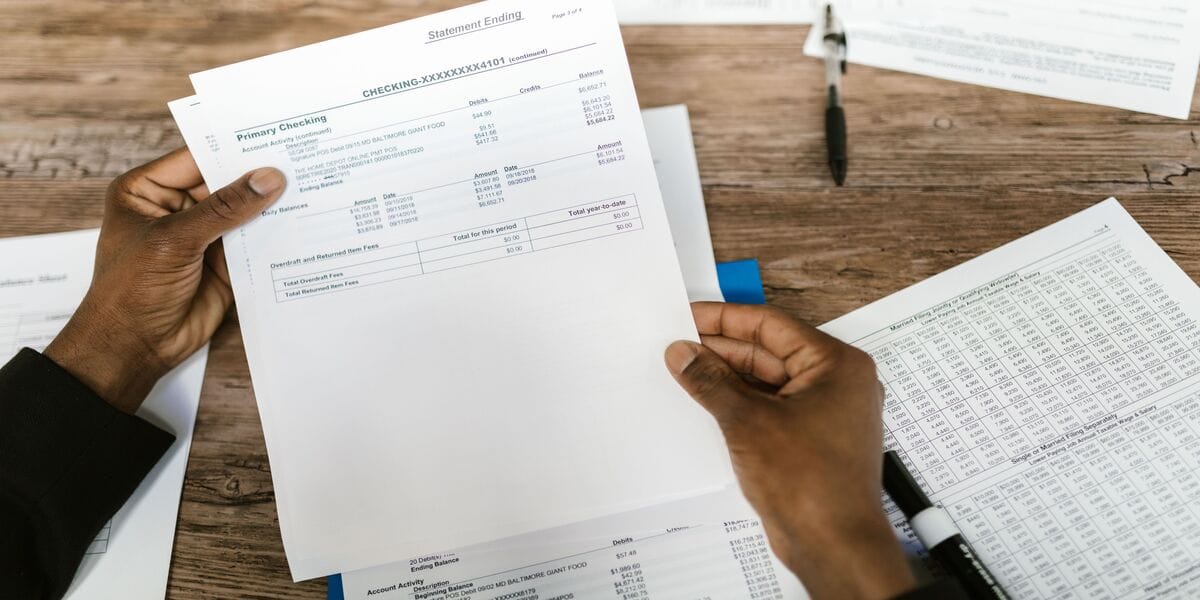
5. Organise Your Financial Documents
Financial matters are often an important part of divorce proceedings.
It is helpful to collect documents relating to:
- Bank statements
- Salary details
- Property ownership
- Business interests
- Loans and liabilities
- Other financial records
Having these documents ready can make discussions about financial matters more straightforward if they become relevant during the divorce process.
6. Consider Matters Involving Children
If you have children, think about the practical arrangements before filing for divorce.
Some of the issues that may need to be addressed include:
- Child custody
- Visitation arrangements
- Education
- Financial support
- Daily care and responsibilities
Preparing these matters in advance may help reduce disagreements later in the process.
7. Keep Important Records Safe
Store all documents related to your marriage and family in one secure place.
This may include:
- Marriage certificate
- Children’s documents
- Financial records
- Property documents
- Previous court orders (if any)
- Written agreements between both spouses
Being organised can save time and help you respond quickly if additional documents are requested.

8. Be Honest About Your Situation
When seeking legal advice, provide complete and accurate information about your circumstances.
Do not leave out facts because you think they are unimportant. Even small details can affect the legal advice you receive. A clear understanding of your situation allows your divorce lawyer to provide advice that is appropriate for your case.
9. Prepare Yourself for the Legal Process
Some divorce cases are resolved quickly, while others take longer depending on the issues involved.
Understanding the legal process from the beginning helps you know what to expect and reduces unnecessary stress. Staying patient and following the required legal procedures can make the process easier to manage.
10. Get Legal Advice Before Filing
One of the most important steps is speaking with a legal professional before filing for divorce.
Early legal advice can help you understand:
- Which laws apply to your case.
- What documents you need.
- The legal procedure involved.
- Your rights and obligations.
- The options available based on your circumstances.
Receiving guidance before filing can help you avoid mistakes and prepare properly for the next steps.

What Is the Process of Divorce in the UAE?
The divorce process in the UAE may vary depending on the circumstances of the case. However, most divorce cases generally follow these steps.
Step 1: Prepare Your Documents
Collect the documents required for your divorce application, such as your marriage certificate, Emirates ID or passport, residence visa, and any other supporting documents. If your marriage took place outside the UAE, your marriage certificate may need to be attested and translated into Arabic.
Step 2: Submit the Divorce Application
The divorce application is submitted to the competent court or authority. In Dubai, this is typically done through the Dubai Courts’ services, and you may need a UAE PASS account to use them. The application is reviewed to confirm that the required documents have been provided.
Step 3: Attend Family Guidance or Mediation
In many cases, the spouses are referred to a Family Guidance Committee or mediation session. Whether this step applies, and how, can depend on which law governs your case. If both parties reach an agreement, the divorce process may continue based on that settlement. If no agreement is reached, the case may proceed to court.
Step 4: Court Proceedings (If Required)
If the divorce is contested or issues remain unresolved, the court will hear the case and examine the evidence and documents before making a decision.
Step 5: Receive the Final Judgment
Once the legal process is completed, the court issues the final divorce judgment. Depending on the case, the judgment may also deal with matters such as maintenance, child custody, visitation rights, and other related issues.
What to Avoid Before Filing for Divorce
- Don’t move or hide assets before, while, or after filing for divorce
- Don’t threaten divorce until you’re ready to file
- Don’t take children out of the UAE without agreement
- Don’t send angry messages that could be used as evidence
- Don’t leave the marital home without advice
- Don’t delete messages, emails, or records
- Don’t sign any papers you haven’t read
- Don’t post about your situation on social media
Key Takeaway

Preparing for divorce is about more than completing paperwork. Having the right documents, understanding the legal process, and knowing your rights can help make the process more organised and less stressful.
If you are considering divorce in Dubai or anywhere in the UAE, contact Alaa ElHoushy Legal Consultancy. Our Family and divorce lawyer in Dubai provides confidential legal consultation to help you understand your legal position, prepare the necessary documentation, and make informed decisions based on your individual circumstances before starting the divorce process.